Beyond the Hype: A Real Talk on Digital Marketing’s Ups and Downs
Remember that time you were just thinking about needing a new coffee maker, and then, *poof*, an ad for the perfect one pops up on your social feed? Or when you searched for a recipe and suddenly every website you visit has recipe banners? That’s the world of **digital marketing** at play. It’s everywhere, always.
This constant presence shapes how we discover things, how brands connect with us, and even how businesses grow. It’s not just about flashy ads; it’s a deep network of connections.
We often hear about the wonders of reaching millions with a click, but what about the flip side? Like any tool, digital marketing has its strong points and its weaknesses. It’s worth looking at both sides clearly.
What is Digital Marketing, Really?
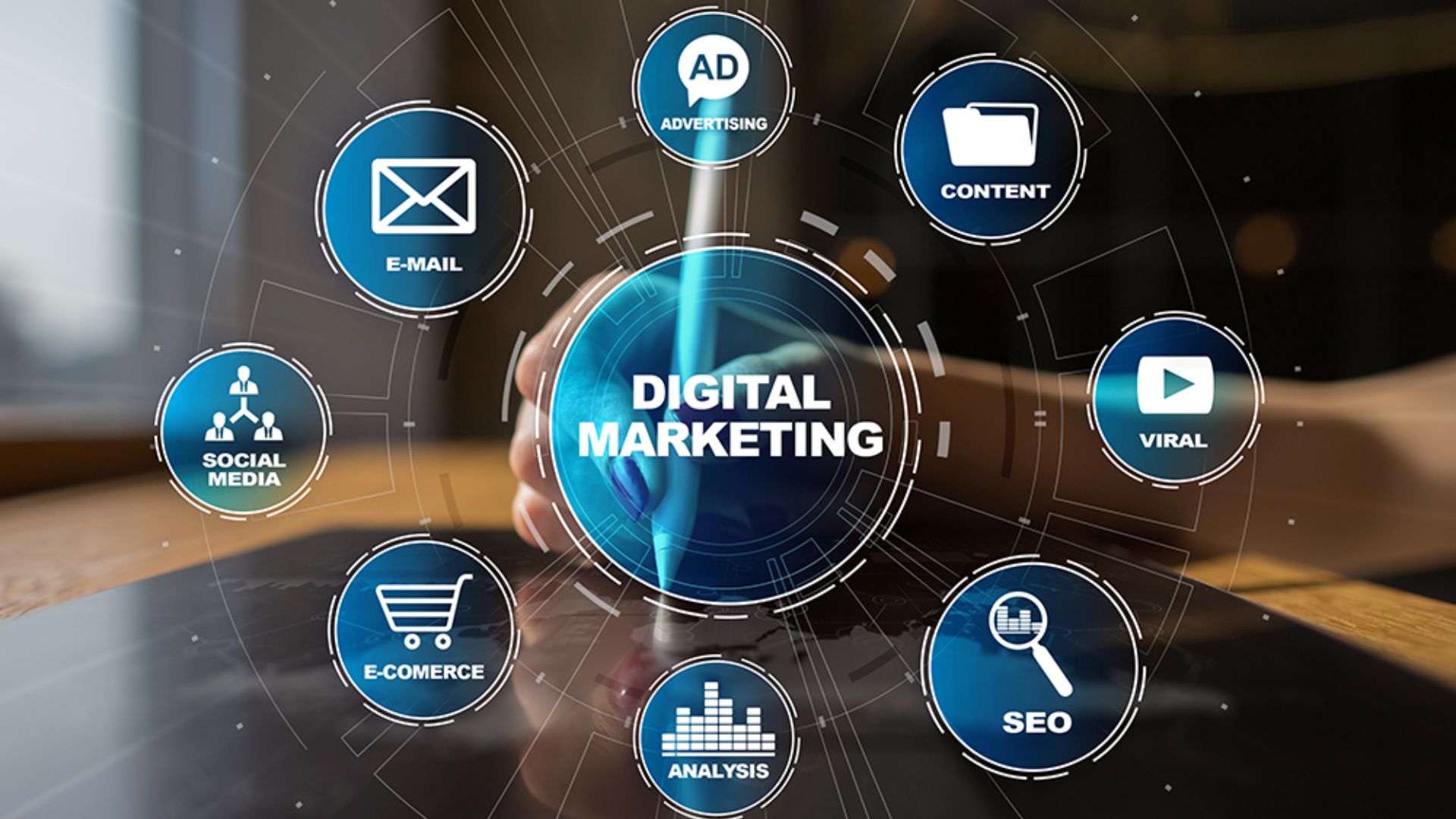
At its heart, **digital marketing** covers all the marketing efforts that use an electronic device or the internet. Think search engines, social media, email, mobile apps, and websites. It’s how businesses get their message out to potential customers online.
It’s a huge umbrella term, covering everything from those tiny banner ads to highly personalized email campaigns. It has reshaped how businesses big and small connect with their audience. The aim remains the same: grab attention, create interest, and encourage action. The methods, though, are wildly different from traditional advertising.
The Bright Side of Digital Marketing
There are some truly compelling reasons why **digital marketing** has become a powerhouse. These aren’t just minor perks; they’re game-changers for many businesses.
Wide Reach & Sharp Targeting
You can speak to a global audience or zoom in on a very specific group. Imagine selling handmade dog collars to dog owners in specific zip codes who love poodles. Digital platforms allow for that kind of precise aim. This means your message reaches people who are genuinely likely to care.
Budget-Friendly Options
You don’t need a massive budget to get started. Many digital channels let you spend as much or as little as you like. Compared to a TV commercial or a billboard, the entry barrier is much lower, which is fantastic for startups and small businesses.
Results You Can See
One of the coolest things is how much data you get. You can see how many people saw your ad, clicked it, or bought something. This means you know exactly what’s working and what’s not, letting you tweak things in real-time. It takes a lot of guesswork out of the picture.
Flexibility and Speed
Need to change your ad campaign? No problem. Digital campaigns can be updated, paused, or restarted almost instantly. This agility means you can react quickly to market changes or new trends, keeping your message fresh and relevant.
Engaging with Customers
Digital channels let you have a two-way chat. Customers can leave comments, ask questions, and share their experiences. This direct interaction builds stronger relationships and helps you understand your audience better. It makes brands feel more human.
The Shadows: A Look at the Downsides
While the benefits are many, it’s not all sunshine and rainbows. There are real challenges and downsides that businesses and consumers face with online marketing strategies.
Information Overload & Ad Fatigue
We’re bombarded with messages online every single day. Our brains get tired of seeing so many ads. This means your message can easily get lost in the noise, or people might just tune it out completely. Getting noticed is tougher than ever.
Privacy Worries
The way digital ads target us often relies on collecting our data. This leads to concerns about privacy and how our personal information is used. People are increasingly wary, and new regulations around data mean marketers need to tread carefully.
“The digital world offers incredible reach, but that reach comes with a responsibility to respect user privacy and avoid contributing to the overwhelming noise.”
Always Changing Landscape
The internet moves fast. What worked last year might not work today. Algorithms change, new platforms emerge, and trends shift constantly. Keeping up requires continuous learning and adaptation, which can be draining and resource-intensive.
Stiff Competition
Because it’s so accessible, everyone is trying their hand at online promotion. This means the digital space is incredibly crowded. Standing out from the crowd needs more than just a good product; it demands clever strategy and consistent effort.
Reputation Risks
Online, good news travels fast, but bad news travels even faster. A single negative review or a poorly handled customer complaint can go viral and damage a brand’s reputation quickly. Managing your online image requires constant vigilance.

Comparing the Scales
Let’s put the pros and cons side-by-side to see the full picture.
| Advantages of Digital Marketing | Disadvantages of Digital Marketing |
|---|---|
| Connects with specific audiences globally. | Contributes to information overload for users. |
| Often costs less to start and scale. | Sparks user privacy and data security debates. |
| Performance data is readily available for analysis. | Requires constant adaptation to platform changes. |
| Campaigns can be adjusted quickly and easily. | Faces intense competition for attention. |
| Enables direct interaction with customers. | Exposes brands to rapid reputational harm. |
Making It Work for You
Understanding the full scope of digital marketing—its strengths and its weak spots—helps you navigate it better. For businesses, this means being smart about your strategy.
- Know Your Audience: Really dig into who you’re trying to reach. The more you understand them, the less likely you are to contribute to the noise.
- Focus on Value: Instead of just selling, offer something helpful or entertaining. Content that provides value cuts through the clutter.
- Be Ethical with Data: Respect user privacy. Be transparent about data collection and give people control over their information. Trust is a massive asset.
- Stay Agile: The digital world shifts. Be ready to learn, experiment, and adjust your plans. What works today might not work tomorrow, and that’s okay.
- Build Authentic Relationships: Engage genuinely with your audience. Respond to comments, solve problems, and build a community around your brand.
The Path Ahead for Digital Marketing
The journey for **digital marketing** keeps going. We’ll likely see more focus on hyper-personalization, driven by smarter AI, but also stronger calls for data ethics and transparency. The brands that win will be those that use these powerful tools thoughtfully, creating real connections without sacrificing trust or adding to the overwhelming digital din. It’s about finding that sweet spot where technology serves humanity, not the other way around.
### Hashtags
DigitalMarketing, ProsAndCons, OnlineStrategy, MarketingTrends, TechInsights, BusinessGrowth, BrandBuilding, PrivacyMatters, FutureOfMarketing, BalancedReview
Leave a Reply