Blog

  • How Social Media Marketing Changed My Business

    How Social Media Marketing Changed My Business

    How Social Media Marketing Changed My Business

    I still remember the day I decided to take my business online. I had a small coffee shop, and I was struggling to attract new customers. That’s when I discovered the power of social media marketing. I created a Facebook page, started posting pictures of my coffee, and engaged with my followers. It wasn’t long before I saw a significant increase in sales.

    social media marketing,
    Photo by www.investopedia.com

    My Facebook page became a hub for my customers to share their experiences, provide feedback, and connect with each other. I was able to build a community around my brand, and it helped me to understand my customers better. I started to use social media analytics to track my performance, and it gave me valuable insights into what was working and what wasn’t.

    Table of Contents

    What is Social Media Marketing?
    Benefits of Social Media Marketing
    Tips for Social Media Marketing

    What is Social Media Marketing?

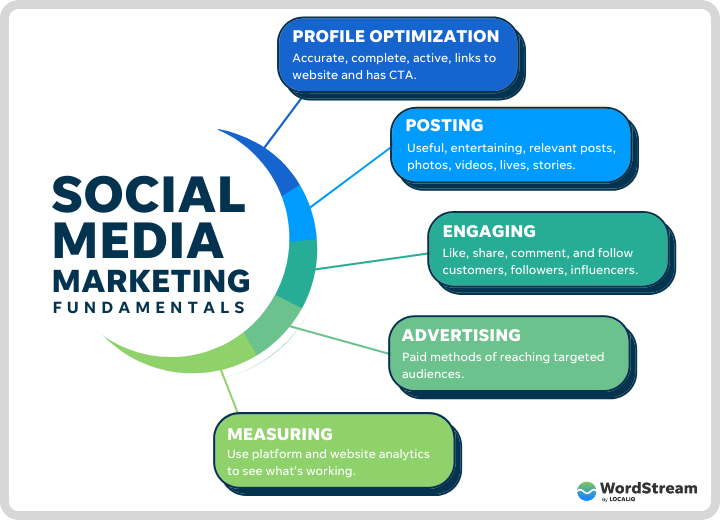
    Social media marketing is the process of creating and sharing content on social media platforms to achieve your marketing goals. It involves creating a strategy, producing content, and engaging with your audience. It’s not just about posting updates; it’s about building a relationship with your customers. You can join the Social Media Marketing Group to learn more about it.
    social media marketing,
    Photo by www.wordstream.com

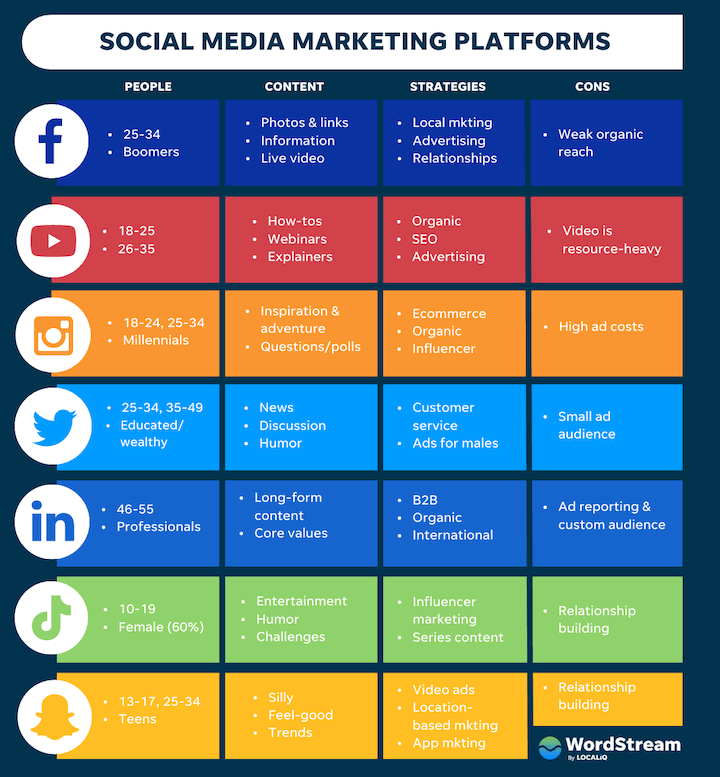
    Each social media platform has its unique features, and you need to understand them to create an effective social media marketing strategy. For example, Instagram is visual, Twitter is fast-paced, and Facebook is community-driven. You can use Buffer to schedule your posts and save time.

    Benefits of Social Media Marketing

    The benefits of social media marketing are numerous. It can help you to:

    • Increase brand awareness
    • Drive website traffic
    • Generate leads
    • Boost sales

    It’s also cost-effective, and you can target your audience with precision. You can use Hootsuite to manage your social media campaigns and track your performance.

    social media marketing,
    Photo by www.beingdigitalz.com

    I saw a significant increase in sales after I started using social media marketing. It helped me to reach a wider audience, and I was able to build a loyal customer base. You can use Canva to create visually appealing graphics and attract more customers.

    Tips for Social Media Marketing

    Here are some tips for social media marketing:

    • Be consistent
    • Engage with your audience
    • Use high-quality visuals
    • Monitor your performance

    You can also use influencer marketing to reach a wider audience. You can join the Influencer Marketing Hub to learn more about it.

    Platform Features Benefits
    Facebook Community-driven, targeted ads Increased brand awareness, website traffic
    Instagram Visual, hashtag-driven Increased brand awareness, engagement
    Twitter Fast-paced, real-time engagement Increased brand awareness, customer service

    Social media marketing is not just about posting updates; it’s about building a relationship with your customers. It’s about creating a community, engaging with your audience, and providing value.

    ### Hashtags
    socialmedia, marketing, business, growth, onlinepresence, brandawareness, digitalmarketing, socialmediatips, influencermarketing, contentmarketing, smallbusiness, entrepreneur, startup, successstory, inspiration, motivation, readmore, update, trending

  • Social Media Marketing: Separating Fact from Fiction

    Social Media Marketing: Separating Fact from Fiction

    Social Media Marketing: Separating Fact from Fiction

    When you think of social media marketing, you probably imagine a world where likes, shares, and followers are the ultimate goals. But what if I told you that’s not entirely true? There’s a lot of misinformation floating around, and it’s time to set the record straight.

    social media marketing,
    Photo by Collabstr

    The truth is, social media marketing is a complex beast that requires a deep understanding of your audience, their needs, and the platforms they use. It’s not just about posting pretty pictures or writing witty captions; it’s about creating a consistent brand voice that resonates with your target market.

    Table of Contents

    Social Media Marketing FAQs

    If you’re new to social media marketing, you probably have a lot of questions. What’s the best platform to use? How often should I post? What kind of content should I create? The answers to these questions vary depending on your business and audience, but one thing’s for sure: engagement is key. You can’t just post and expect people to engage; you need to spark conversations, ask questions, and listen to feedback.

    social media marketing,
    Photo by Piotr Cichosz

    To get started, check out our community forum where you can connect with other business owners and learn from their experiences.

    Common Misconceptions About Social Media Marketing

    There are a lot of misconceptions about social media marketing that can hurt your business. For example, some people think that buying followers is a good idea, but it’s not. Not only is it against the terms of service of most platforms, but it also doesn’t lead to real engagement. Another misconception is that social media marketing is a one-size-fits-all solution. The truth is, every business is unique, and what works for one business may not work for another.

    Misconception Reality
    Buying followers is a good idea It’s against the terms of service and doesn’t lead to real engagement
    Social media marketing is a one-size-fits-all solution Every business is unique, and what works for one business may not work for another

    Measuring Success in Social Media Marketing

    So, how do you measure success in social media marketing? It’s not just about likes and followers; it’s about conversions, sales, and customer loyalty. You need to track your metrics and adjust your strategy accordingly. For example, if you’re getting a lot of engagement on your posts, but not many conversions, you may need to adjust your call-to-action or optimize your landing page.

    social media marketing,
    Photo by Collabstr

    To learn more about measuring success in social media marketing, join our upcoming webinar where we’ll dive into the latest trends and strategies.

    Social Media Marketing Strategies That Work

    So, what are some social media marketing strategies that actually work? Here are a few:

    • Content marketing: Create high-quality, relevant content that resonates with your audience
    • Influencer marketing: Partner with influencers who have a genuine interest in your brand
    • Paid advertising: Use paid social media ads to reach a wider audience and drive conversions

    Remember, social media marketing is a two-way conversation, not a one-way broadcast. Listen to your audience, engage with them, and provide value to build a loyal community.

    To stay up-to-date with the latest social media marketing trends and strategies, follow us on social media and join the conversation.

    ### Hashtags
    socialmediamarketing, marketingtips, socialmedia, digitalmarketing, onlinebusiness, smallbusiness, entrepreneur, marketingstrategy, branding, advertising, contentmarketing, influencermarketing, paidadvertising, socialmediaads, facebook, instagram, twitter, linkedin, youtube, tiktok, socialmediatips, marketingnews, industryinsights, trendingtopics, readmore, update, inspiration

  • How to Nail Social Media Marketing Without Losing Your Mind

    How to Nail Social Media Marketing Without Losing Your Mind

    /* AICG Table Styles */
    .aicg-content table { border-collapse: collapse; width: 100%; margin: 20px 0; background-color: #ffffff; }
    .aicg-content table th, .aicg-content table td { border: 1px solid #ddd; padding: 10px; text-align: left; color: #333333 !important; }
    .aicg-content table th { background-color: #f4f4f4; font-weight: bold; color: #000000 !important; }
    .aicg-content table tr:nth-child(even) { background-color: #f9f9f9; }

    /* AICG List Styles */
    .aicg-content ul, .aicg-content ol { margin: 20px 0 20px 40px; padding: 0; }
    .aicg-content ul li { list-style-type: disc !important; margin-bottom: 5px; }
    .aicg-content ol li { list-style-type: decimal !important; margin-bottom: 5px; }

    /* AICG Amazon Button Hover Fix */
    .aicg-amz-btn:hover {
    transform: scale(1.05) !important;
    box-shadow: 0 6px 20px rgba(255, 153, 0, 0.4) !important;
    }
    .aicg-button-wrapper { text-align: center; margin: 30px 0; }

    How to Nail Social Media Marketing Without Losing Your Mind

    Let’s cut to the chase: social media marketing isn’t just about shouting into the void. Think of it as having a conversation with your audience where they actually listen.

    social media marketing,
    Photo by Katka Pavlickova

    Whether you’re a small business owner or a side-hustler, mastering this can turn followers into customers.

    What is Social Media Marketing (and Why It’s Your New Best Friend)

    Social media marketing is all about connecting with people where they already hang out online. No fancy degrees needed—just real talk and relatable content.

    Forget the hype. At its core, it’s building relationships. You share value, they engage, and trust grows. Boom—your brand becomes someone people actually want to hear from.

    Getting Started: Your First Steps

    First things first: define your goals. Are you aiming to boost sales, grow your email list, or just spread awareness? Write it down—this is your compass.

    Next, pick 1-2 platforms where your audience lives. Don’t try to be everywhere at once. A focused approach beats a half-hearted presence on every app.

    Need a visual guide? Check out our video tutorial for a step-by-step walkthrough.

    The Key Platforms You Should Know

    Not all social platforms are created equal. Your time is better spent where your crowd actually is.

    • Facebook: Great for communities and local businesses. Use Groups to foster discussions.
    • Instagram: Visual-first, perfect for brands with strong aesthetics. Stories and Reels are key.
    • TikTok: Fast-paced and trendy. Ideal for quick, entertaining content.

    social media marketing,
    Photo by SoyBreno

    Creating Content That Connects

    Here’s the secret: people scroll past perfection. They stop for personality. Share behind-the-scenes moments, ask questions, or show how your product solves a problem.

    Use visuals that pop—bright colors, short videos, or memes. Pair them with punchy captions. Hashtags? Use 3-5 relevant ones, max.

    social media marketing,
    Photo by SoyBreno

    Measuring Success Without the Headaches

    Stop chasing vanity metrics like likes. Focus on what matters for your goals: website clicks, email sign-ups, or direct messages.

    Use free tools like Facebook Insights or Google Analytics to track progress. If something isn’t working after 2-3 tries, pivot fast.

    Common Mistakes to Avoid

    Ignoring your audience is the fastest way to fail. Reply to comments and messages—even the critical ones. Show you’re listening.

    Don’t automate everything. Authenticity > efficiency. A robotic tone screams “I don’t care,” and people can smell that from miles away.

    ### Hashtags
    socialmediamarketing, socialmedia, trending, readmore, update, inspiration, beginnersguide, contentcreation

  • Influencer Marketing: How Brands Connect with Real People Online

    Influencer Marketing: How Brands Connect with Real People Online

    You know that feeling when a friend tells you about this amazing new coffee shop, or swears by a certain pair of sneakers? You probably trust their word a lot more than a random commercial, right? That’s because your friend is, in their own way, an influencer. They have a genuine connection with you, and their recommendations hold weight.

    influencer marketing,
    Photo by dlxmedia.hu

    Now, imagine that idea, but scaled up for businesses online. That’s the essence of influencer marketing. It’s about working with trusted voices on social media to share stories and promote things they genuinely like. It’s a shift from shouting ads at everyone to having a friendly chat with interested folks.

    What’s the Big Deal with Influencer Marketing?

    At its heart, influencer marketing is straightforward. A business teams up with someone who has built an audience on platforms like Instagram, TikTok, or YouTube. This person, the influencer, then shares content about the business’s product or service with their followers.

    It’s not just about famous people anymore. Many online personalities, even with smaller followings, can have a huge impact within their niche. Think of it as a digital word-of-mouth strategy. People are more likely to pay attention when someone they look up to, or relate to, talks about something.

    Why People Listen: The Power of Trust

    Traditional ads can sometimes feel a bit pushy. We often tune them out. But an influencer, especially one who genuinely connects with their audience, feels different. They share their daily lives, their passions, and their honest opinions. This builds a special kind of bond.

    When an influencer shares something, it feels less like an advertisement and more like a friend’s recommendation. This authenticity is super powerful. It helps businesses connect with new people in a way that feels natural and warm.

    There are different types of influencers, each with their own vibe and audience size. Knowing these types can help you understand who might be a good fit.

    Influencer Type Typical Follower Count Key Benefit
    Nano-influencer 1,000 – 10,000 Deeply connected communities, very high trust and engagement.
    Micro-influencer 10,000 – 100,000 Niche expertise, strong connection, often budget-friendly.
    Macro-influencer 100,000 – 1,000,000 Broader reach, good for awareness, still maintains some personal touch.
    Celebrity 1,000,000+ Massive exposure, brand recognition, but often less direct engagement.

    Finding Your Perfect Match

    Picking the right influencer is key. It’s not just about how many followers someone has. You want someone whose audience matches who you’re trying to reach. If you sell yoga mats, a fitness influencer makes sense. A gamer, maybe not so much.

    Think about these things when you’re looking:

    • Audience Fit: Do their followers look like your ideal customers? Check their demographics if possible.
    • Content Style: Does their content align with your brand’s personality? Is it fun, serious, educational?
    • Engagement Rate: Do people actually interact with their posts? Lots of likes and comments often signal a lively, engaged community.
    • Values: Do they represent what your brand stands for? Authenticity goes a long way.

    Want to see how other brands connect with influencers? Watch our video guide on ‘Getting Started with Influencer Outreach’ over on Nikson’s YouTube channel: https://www.youtube.com/@NiksonYT. You’ll find lots of visual examples there and get some practical tips.

    Crafting a Campaign That Clicks

    Once you find your influencer, planning the content comes next. Give them clear ideas of what you want to achieve. Are you aiming for more people to know about your brand, or are you hoping to sell more products?

    Let the influencer use their own voice. They know their audience best. Give them some guidelines, but also allow creative freedom. This helps the content feel real and not like a forced ad.

    “The magic happens when an influencer truly loves your product. That passion translates into content that resonates deeply with their audience.”

    Getting Your Message Across

    Influencers can share your message in many ways:

    • Instagram posts and stories: Quick glimpses or longer, styled photos.
    • TikTok videos: Short, snappy, and often trend-driven.
    • YouTube videos: More detailed reviews, tutorials, or integrations into vlogs.
    • Blog posts: Longer-form content that can dive deeper into product features.
    influencer marketing,
    Photo by dlxmedia.hu

    Knowing if it’s Working: Simple Metrics

    After your campaign runs, you’ll want to see what happened. Did it work? Here are some simple things to look at:

    • Reach: How many unique people saw the content?
    • Engagement: This includes likes, comments, shares, and saves. More engagement usually means people connected with the post.
    • Website Clicks: Did people click through to your website or a specific product page? Influencers often share special links for this.
    • Sales: Did you see a bump in sales, perhaps from a unique discount code the influencer shared?

    Don’t get too caught up in just one number. A mix of these metrics paints a clearer picture of how well your influencer marketing efforts are doing. Sometimes a campaign focused on building buzz won’t directly lead to huge sales right away, but it builds awareness that helps later.

    influencer marketing,
    Photo by Marcus Woodbridge

    Ultimately, influencer marketing is about forming genuine connections. It’s about letting trusted voices share what they love, and in doing so, introducing new audiences to your brand in a warm, relatable way. It’s a powerful path to grow and connect in today’s digital landscape.

    ### Hashtags
    #influencermarketing #socialmediamarketing #digitalmarketing #beginnersguide #contentmarketing #brandbuilding #onlinebusiness #marketingtips #trustedvoices #readmore #update #inspiration